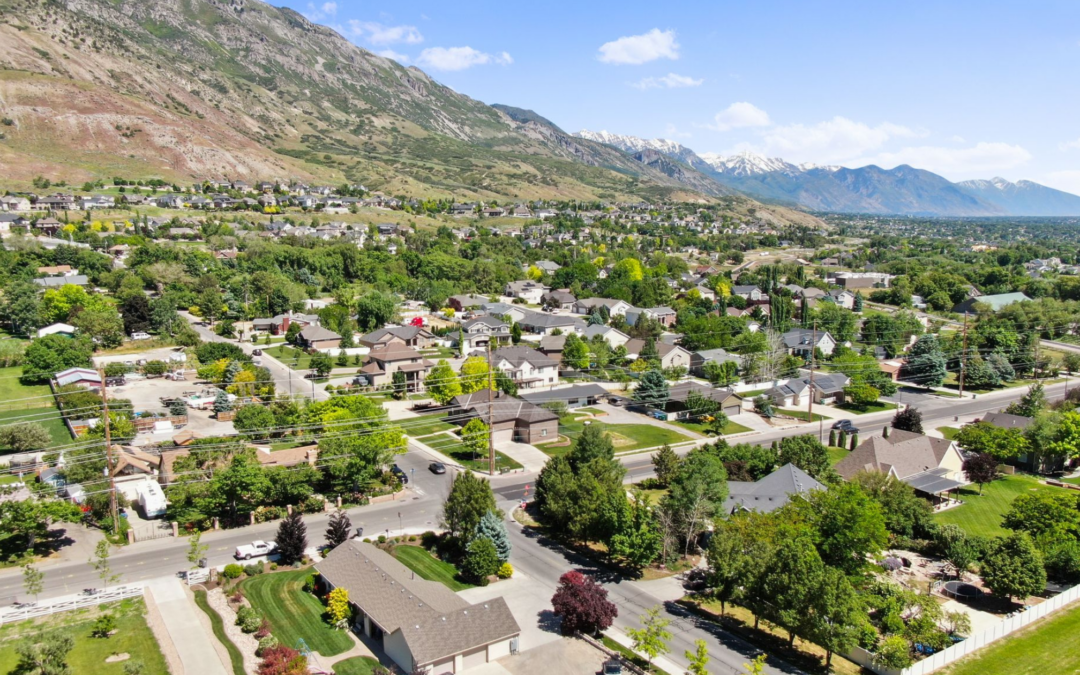
Maybe it’s the mountain view. Maybe it’s your neighbors, your kids’ schools, the mature trees in the backyard, or the fact that Sunday dinner is ten minutes down the road.
Sometimes the best part of your home isn’t actually the house.
In towns like Lehi, Payson, Pleasant Grove, Sandy, Holladay, and Herriman, plenty of Utah homeowners find themselves in the same position: they love where they live, but the house no longer fits the way they live.
The kitchen feels closed off. The primary suite was designed for another decade. There isn’t enough storage. The kids have taken over the basement. Maybe an addition would solve the space problem, or maybe the house needs a much more substantial rework.
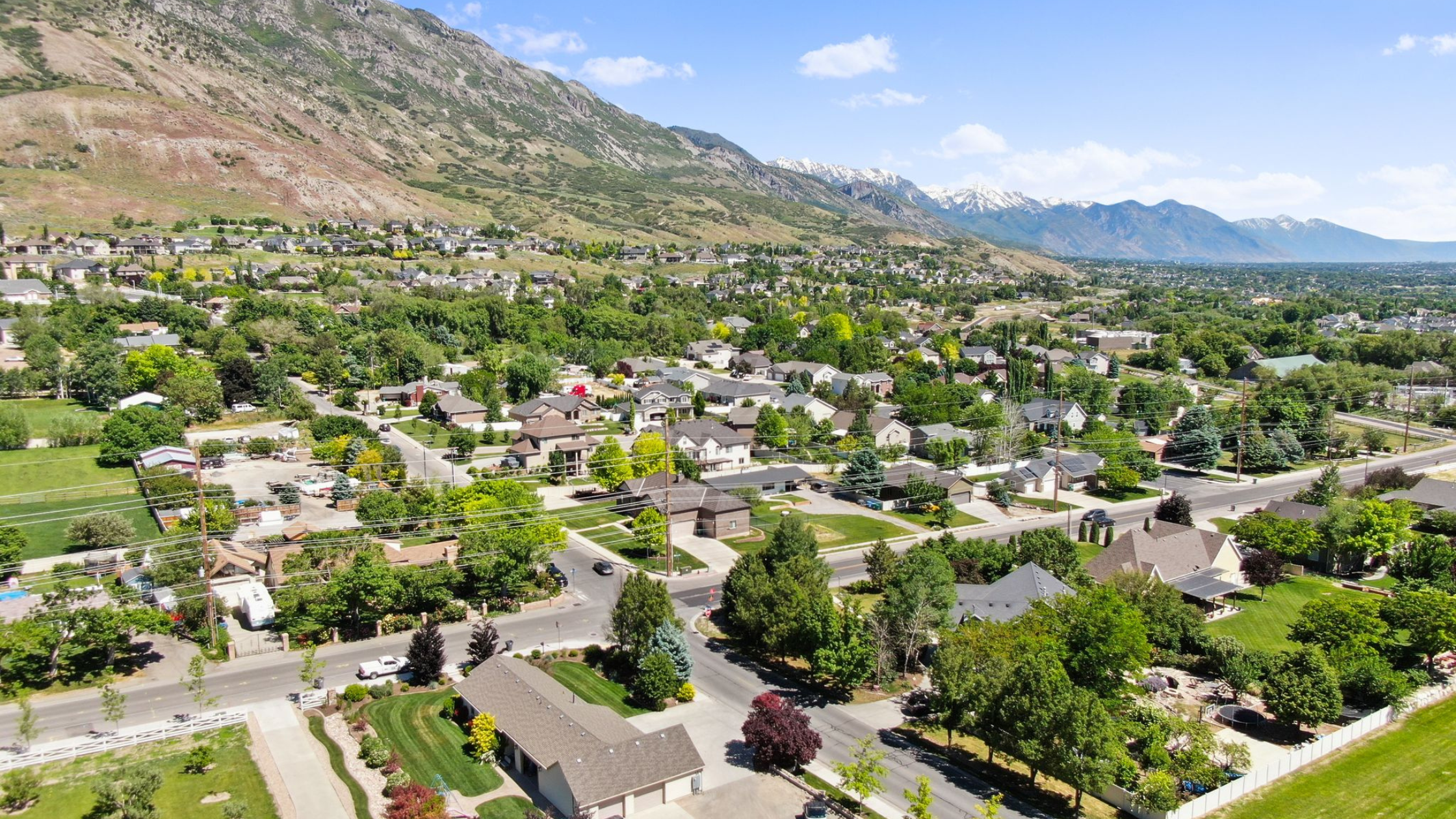
At that point, the question becomes less “Should we move?” and more:
What would it take to make this the house we actually want?
For homeowners who already have a strong equity position, renovating or adding onto an existing home can be worth exploring before giving up a location that may be impossible to recreate or a community you fit right into.
Utah’s Housing Market Has Changed the Remodel-or-Move Conversation
Utah homes have gained substantial value over the last decade, and many established homeowners are sitting in a very different financial position than when they originally purchased.
According to the Kem C. Gardner Policy Institute, the average Utah home with a mortgage had approximately $304,570 in equity in the first quarter of 2026, a record high. Utah’s median single-family home price was about $559,900, while median single-family prices were approximately $603,995 in Salt Lake County and $588,000 in Utah County during the same quarter.
That doesn’t mean equity should automatically be borrowed against or spent on a renovation. (That’s a conversation to have with your lender or financial advisor.) But it does mean many Utah homeowners have options they didn’t have ten or fifteen years ago.
And buying something else isn’t necessarily the easy alternative.
As of September 24, 2026, the average U.S. 30-year fixed mortgage rate was 7.03%, according to Freddie Mac. For someone who purchased or refinanced years ago at a substantially lower rate, replacing an existing mortgage can meaningfully change the monthly cost side of the equation.
So before putting the house on the market, it may be worth asking a different question:
Is the property the problem, or is it simply the house?
You Can Change the House. You Can’t Recreate the Lot.
This is one of the first things we think homeowners should consider.
You can move walls.
You can build a larger kitchen.
You can create a primary suite, finish a basement, add another level, improve indoor-outdoor living, update mechanical systems, or build an addition.
What’s harder to replace is a great street in Holladay. A larger property in Alpine. Mature landscaping in Sandy. The walkability and character of Sugar House. A neighborhood in Lehi where your family has already put down roots.
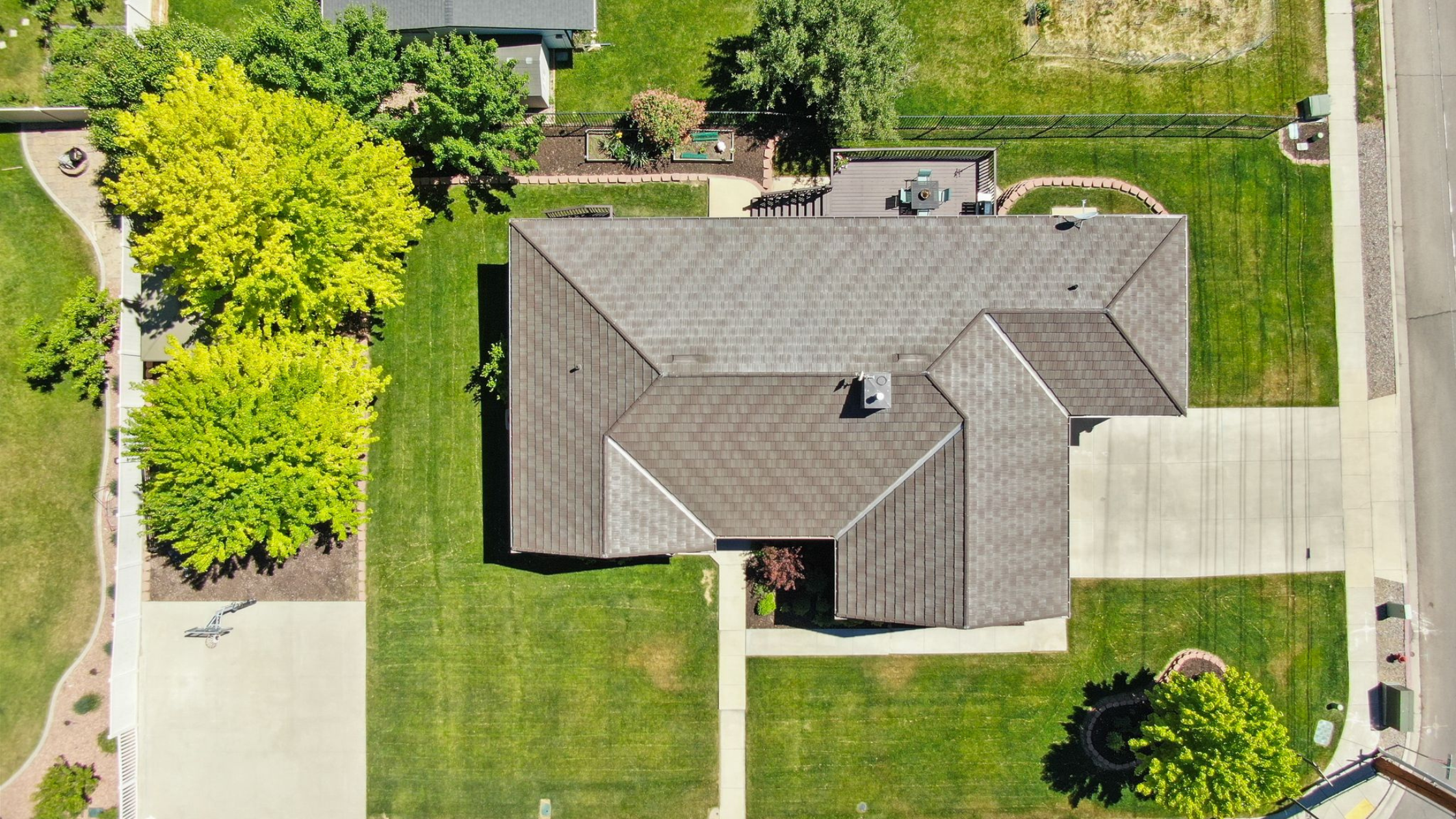
A real estate search may turn up another house with a nicer kitchen. It may not give you everything else you already have.
For the right property, a major renovation can let you keep the part you can’t replace while completely changing the part you can.
How Much Does It Cost to Renovate a Home in Utah?
This is usually where Google gets involved.
“Renovation costs in Utah.”
“How much does a whole-home remodel cost?”
“How much does it cost to redo a kitchen in Lehi, Utah?”
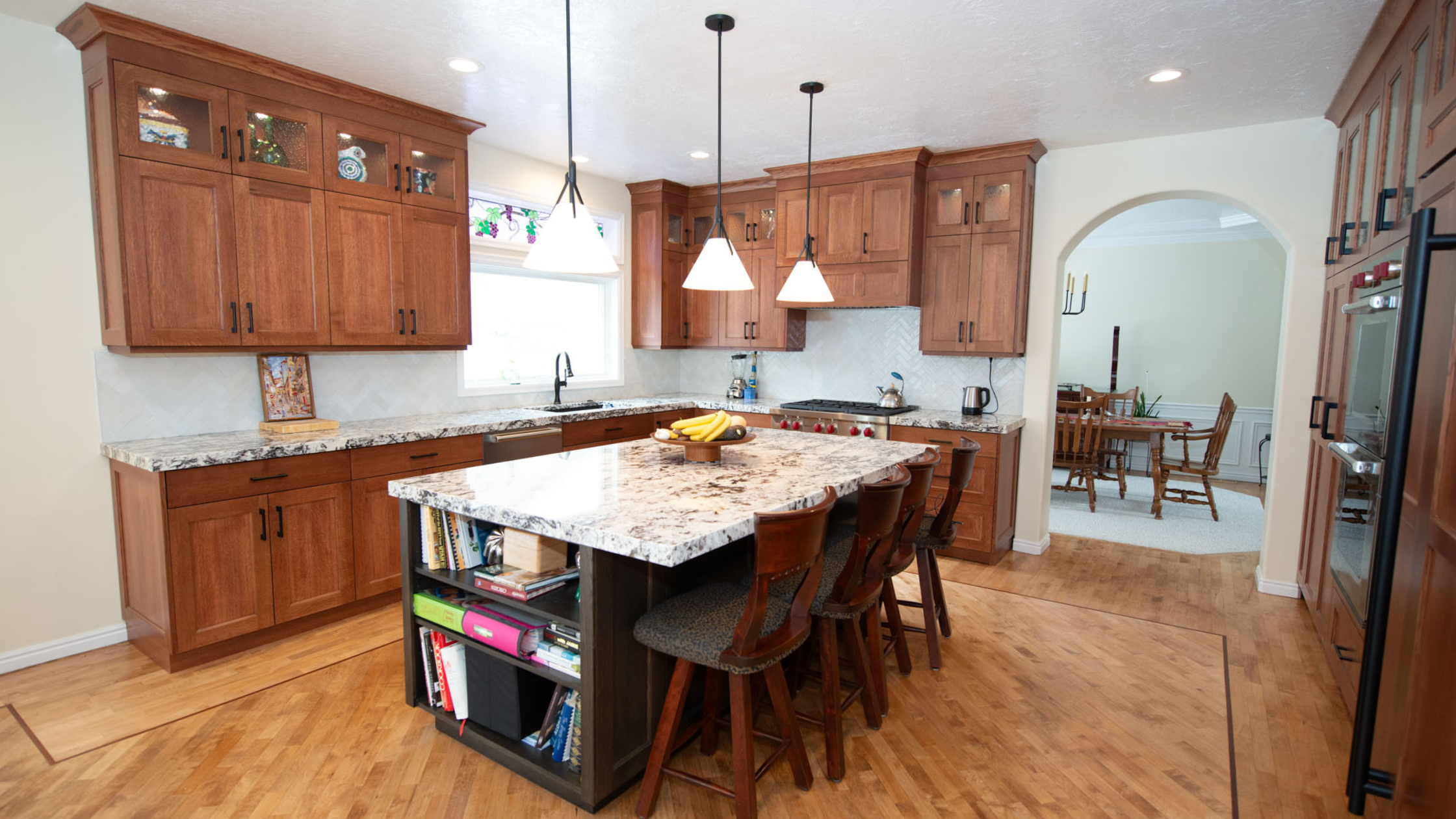
They’re good questions. Unfortunately, they’re also difficult to answer with one useful number.
National remodeling data illustrates just how wide the range can be. Angi reports that whole-home remodel costs can stretch from only a few thousand dollars for limited projects to more than $200,000, depending on the amount of the house being affected, structural work, materials, and project complexity.
For homeowners considering the kind of substantial remodel CK Builders typically works on, the more useful question is: How much of the house are we really changing?
There’s an enormous difference between updating surfaces and changing the bones of a house.
A major remodel may involve:
- removing or relocating walls
- changing the floor plan
- structural framing
- relocating plumbing
- rerouting HVAC
- updating electrical systems
- replacing windows and doors
- custom cabinetry
- new kitchens and bathrooms
- exterior improvements
- additions
- roofing changes
- and correcting conditions uncovered during demolition.
The age of the home matters, too.
When you open a wall in an older Utah house (or a house that has already been remodeled two or three times), you may find plumbing, framing, wiring, previous additions, or repairs that need to be addressed before the new work begins.
That’s why an online “average remodel cost” is useful for understanding scale, but it shouldn’t be treated like an estimate for your home.
How Much Does a Kitchen Remodel Cost in Lehi, Utah?
Kitchen pricing is another good example.
Current national data puts a professional kitchen remodel at an average of roughly $27,000, but that number includes a huge mix of project types. Angi estimates minor kitchen remodels around $10,000-$20,000, major projects around $20,000-$65,000, and complete kitchen remodels at roughly $65,000-$150,000 or more.
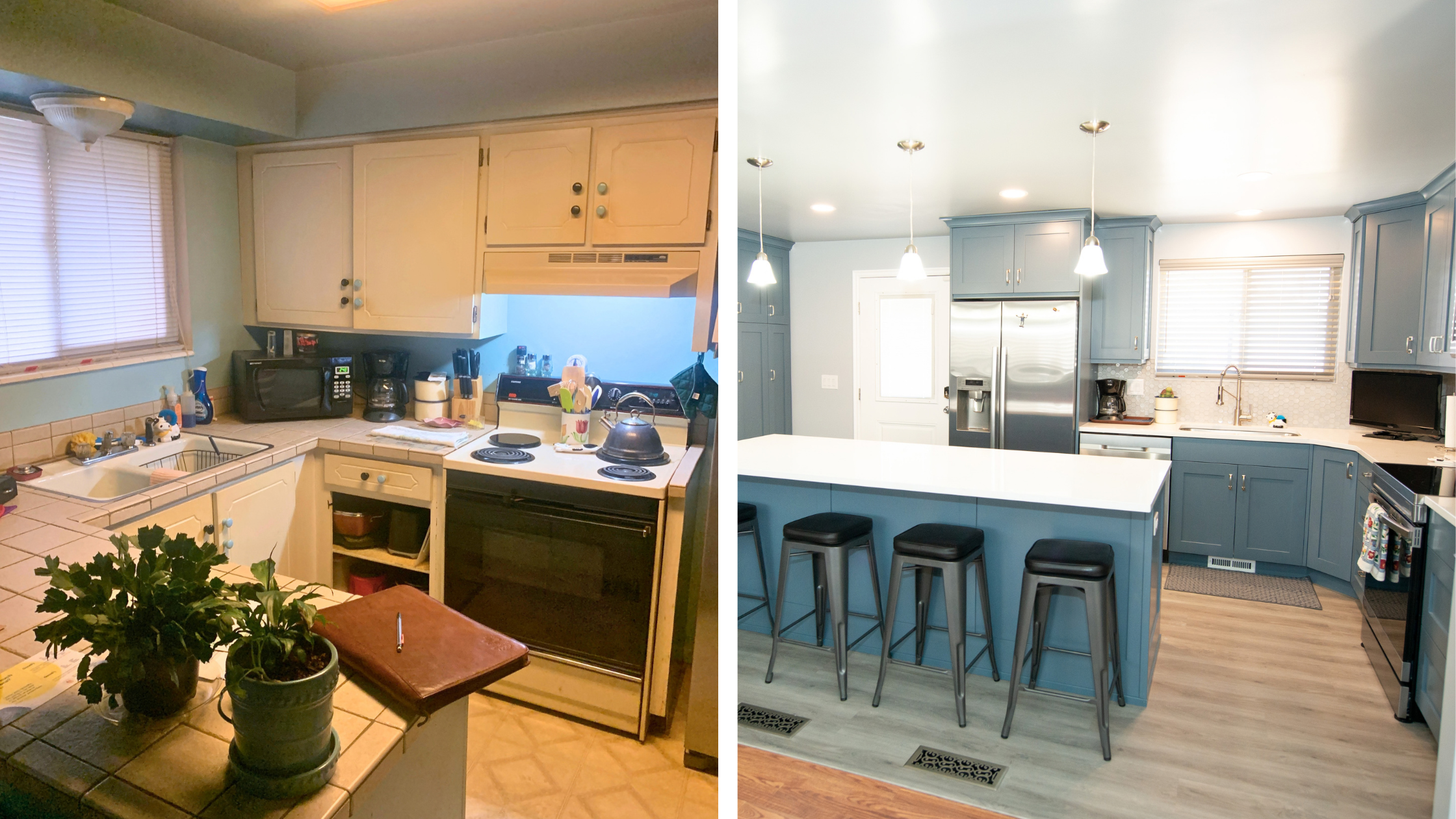
Replacing cabinets, countertops, flooring, and appliances while keeping everything in the same place is one kind of kitchen remodel.
Removing the wall between the kitchen and living room, relocating plumbing, increasing the footprint, adding windows, modifying structural framing, installing custom cabinetry, reworking electrical and HVAC, and rebuilding the surrounding spaces is another project entirely.
So if you’re searching “how much does it cost to redo a kitchen in Lehi, Utah?”, start by defining what “redo” means for you and your home.
If what you really want is a dramatically different home (not just different finishes) the conversation should start with layout and construction scope before cabinet colors.
When Does an Addition Make Sense?
Sometimes the existing square footage simply isn’t enough.
Maybe you need another bedroom, a larger kitchen, a proper primary suite, an office, additional garage space, or enough room for family to gather comfortably.
A home addition can be a good option when the property works but the footprint does not.
However, an addition is considerably more involved than adding another box to the side of a floor plan.
Depending on the project, it may require new foundation work, framing, roofing, windows, insulation, siding, electrical, HVAC, and plumbing, along with figuring out how the new structure properly connects to the existing house.
Remember: The best additions should feel like they always belonged there.
That means thinking beyond square footage. Rooflines, circulation, exterior architecture, natural light, mechanical systems, and the way old and new construction meet all matter.
In popular areas like Alpine, Cedar Hills, Pleasant Grove, Lehi, Draper, and Sandy, where homeowners may have properties they would be reluctant to give up, adding the right space can sometimes solve the reason they were considering moving in the first place.
Is It Better to Remodel or Move?
There isn’t one answer for every house.
A renovation may be worth investigating when:
- You genuinely love the location.
- If you would buy the same lot or neighborhood again today, that matters.
- You have meaningful equity in the property.
- Your financial position may give you options that weren’t available when you first bought.
- The house has good potential, and most dated homes do.
- The existing home may have enough square footage, a workable structure, or room for an addition even if the current layout isn’t right.
- Most of your frustrations can actually be solved through construction.
- An outdated kitchen, poor circulation, small primary suite, unused formal spaces, lack of storage, or disconnected living areas can all potentially be addressed.
- You plan to stay in the area.
If you want another ten, fifteen, or twenty years in the neighborhood, the value of the project isn’t limited to what it adds to a future sales price. You also get to live in the finished home.
On the other hand, moving may deserve serious consideration if the property itself no longer works for you, zoning or lot constraints prevent the changes you need, or the scope required to create your desired home doesn’t make sense for your goals.
A good contractor shouldn’t start by convincing you to remodel.
The first job is figuring out whether the house is actually a good candidate for one.
Older Utah Homes Can Have a Lot More Life in Them
This is especially relevant in established areas like Holladay, Millcreek, Sugar House, and Sandy.
Older homes often come with things newer developments can’t easily reproduce: established neighborhoods, mature trees, unique architecture, larger lots, and plenty of surrounding character.
They can also come with decades of previous construction decisions.
During CK Builders’ renovation of an early-1900s home in Salt Lake City’s Avenues, demolition uncovered evidence of multiple previous additions as well as old fire damage. Ultimately, much more of the house needed to be rebuilt than initially anticipated while preserving portions of the original brick exterior.
That isn’t a reason to avoid an older home.
It’s a reason to approach one with realistic expectations.
Opening walls may uncover structural problems, old electrical systems, plumbing that needs updating, or a previous remodel that took a few… creative liberties.
The goal is to understand what’s there, address it correctly, and build the next version of the house on something you can trust.
Renovation or Remodel: Where Should You Put the Money First?
If you’re serious about making substantial changes, we generally think function should come before finishes.
Start with questions like:
- How should we actually use this house?
- Which rooms don’t work now?
- Are we short on space, or is the existing space simply being used poorly?
- What would make us want to stay here another 15 years?
- Are there structural or mechanical improvements that need to happen regardless?
A beautiful kitchen is great.
A beautiful kitchen that fixes the way your entire main floor works is better.
Likewise, spending money on expensive finishes while ignoring a frustrating layout or structural issue usually means you’re decorating around the real problem.
What Should You Ask a General Contractor Before a Major Utah Remodel?
By the time you’re searching for a general contractor in Lehi, a remodeling contractor in Sandy, or someone to handle a whole-home renovation in Holladay, you’re probably past the inspiration-board stage.
This is where the conversation should get specific.
Ask about experience with projects of similar scope. Talk about what happens when unexpected conditions are uncovered. Ask how subcontractors are coordinated, how changes are communicated, and how the contractor approaches estimating and scheduling.
Most importantly, bring the problems, not just the Pinterest board.
Tell your contractor:
- We love this neighborhood, but the kitchen doesn’t work.
- We need another bedroom but don’t want to leave this property.
- We bought the house years ago and we’re finally ready to do this properly.
- We want to know what it would take to make this our long-term home.
Before You Shop for Another House, Take Another Look at Yours
If you love your location but have outgrown your house or a specific space, you don’t necessarily need a new address.
You may just need a new plan.
For homeowners with home potential and positive equity, a major remodel or addition can create an opportunity to keep the neighborhood, property, views, schools, neighbors, and community you already value, while changing the home itself to fit the next chapter.
And sometimes, that’s the better place to start.
CK Builders works on substantial remodels, additions, and custom homes from Lehi to Alpine, Pleasant Grove to Draper, Sandy to Millcreek, and surrounding Utah communities.
If you’re wondering what your current property could become, we’d be happy to walk through it with you. Contact us for a free consultation today.